


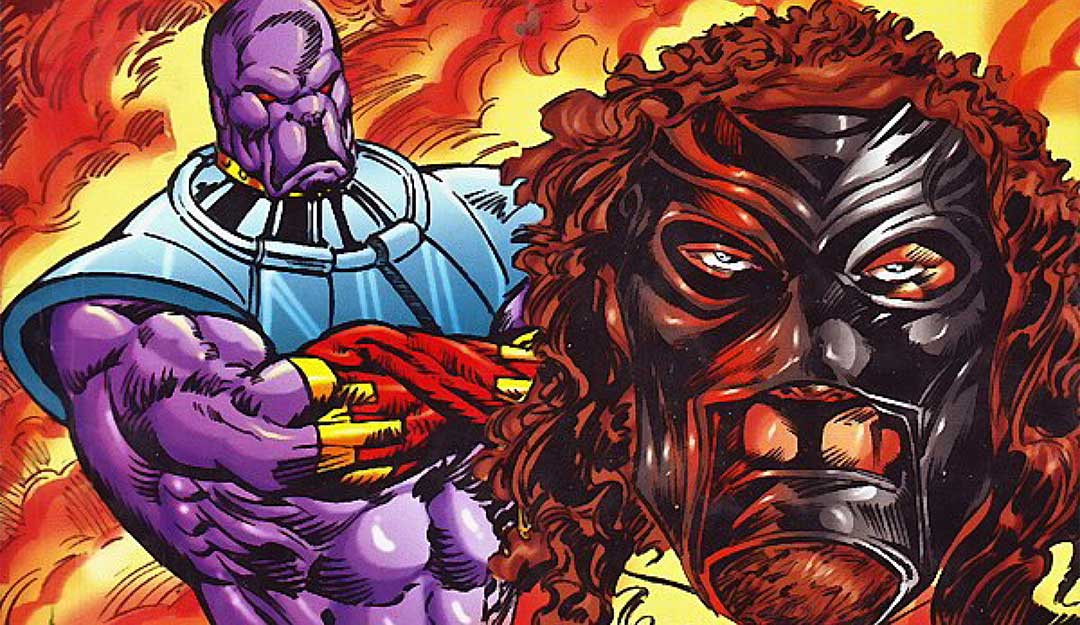
Doga is a character in the history of Raj Comics who introduced the identity of an anti-hero in Indian comics in a completely new style. Doga’s series Bombay Dying, written by Sanjay Gupta, is a comic that does not limit itself to tremendous action and adventure, but also tells a very painful story of the bitter truth of society, the rot of the system, and the gradual death of humanity. This 59-page comic takes the reader on a journey where the line between right and wrong becomes blurred.
Story detail and plot
The story begins with the backdrop of Mumbai, which the author has shown as a huge city where money shines everywhere, but human sensibilities have died down. The center of the story is Ramdulare, an elderly man who comes to Mumbai from Ayodhya with his widowed daughter Sheetal and younger granddaughter Babbu. His aim is to find his son-in-law Ramavatar, who had gone to Mumbai years ago in search of employment and never returned.

This is where the painful aspect of the story comes out. When Ramdulare reaches Borivali police station in the hope of help, he sees the cruelty of the system, not justice. Corrupt cops like Inspector Wadekar and Havildar Pandya mock the helpless old man instead of helping him and ask for a bribe of Rs 500 in exchange for writing a report. When Ramdulare shows his inability to pay, he is brutally beaten and thrown out of the police station.
All this happens under the watch of Doga (Suraj), who is known as the protector of Mumbai. Doga is not just a character who kills criminals, but also stands up against the rotten system that crushes the poor. In anger, Doga creates havoc in the police station, blows up the police jeep, and forces the inspector to write Ramdulare’s report. Here, Doga’s dialogue becomes very effective when he says that some people in Mumbai understand only the language of “stumble and bullet.”
Villain ‘Panther’ and Doga’s struggle:
The main villain of this comic is Panther. Panther is not an ordinary criminal, but a mentally disturbed and extremely cruel human being. He has only one objective—to make a scream come out of Doga’s mouth. Doga is famous for having suffered so much pain since childhood that now his screams suffocate in his chest. Panther practices pain by having himself cut by scorpions, so that he can prove himself equal to Doga.

The competition between Doga and Panther is not only about strength but also about the mind. Panther, along with Inspector Wadekar, plots to harass Ramdulare and his family. The most terrifying and heartbreaking twist of the story comes when Panther and his goons attack Ramdulare’s family in a temple-like holy place.
Social decay and human sensitivity:
The author has given a clear message through the name Bombay Dying that Mumbai is dying. Dying here does not mean the breaking of buildings, but the destruction of humanity. In a highly sordid scene, Panther and his goons try to get Sheetal married to a dog to insult her. This scene creates hatred, anger, and restlessness in the mind of the reader. It shows a society where people under the influence of power do not understand the value of anyone’s honor and dignity.

Suraj, i.e., Doga’s human form, sees all this in the temple with his friend Monica. Suraj wants to remain calm by nature, but seeing this cruelty, his restraint starts breaking. The internal conflict between Suraj and Doga is shown very well here. As the tyranny crosses the line, the Doga sleeping within Suraj awakens. Doga’s justice begins amid the sound of temple bells and gunshots.
Climax and tragic irony:
The ending of this comic is so shocking and painful that it shakes the reader to the core. Panther begins firing indiscriminately in madness during the battle between Doga and Panther. One bullet hits innocent Babbu, and the other hits her mother Sheetal. While Sheetal is taking her last breaths, a truth emerges that turns the entire story into a Greek tragedy.

While dying, Sheetal recognizes Panther. Panther is actually none other than the same Ramavatar whom Ramdulare and Sheetal were searching for for years. Trapped in the quagmire of crime, Ramavatar had become Panther and had completely lost his true identity. He unknowingly tortured his own father-in-law, shot his own wife, and took the life of his own innocent daughter.
This same twist elevates Bombay Dying above a simple superhero comic into a serious and influential literary creation. Panther going mad after knowing his true identity and Doga feeling pity for him presents the greatest irony of human fate.
Character illustration
Doga (Suraj): In this story, Doga is not just a fighting figure, but also emerges as a thinking character. He holds himself responsible for the humiliation meted out to an innocent visitor like Ramdulare and feels ashamed from within. His way of justice may seem strict and cruel, but there is no deceit in it. Whatever he does, he does openly and stands firmly by it.

Ramdulare: Ramdulare is a symbol of that innocent rural India which is completely unaware of the cunningness and cruelty of the big city. The hope of finding his son-in-law in his eyes and the pain of everything being destroyed in the end create such an impact that the reader starts feeling emotionally connected to him. His helplessness becomes the most emotional aspect of the story.
Panther (Ramavatar): Panther is the most complex and terrifying character in this comic. He symbolizes the dark path where a man gradually forgets his identity, relationships, and humanity. His barbarity and the repentance that comes at the end give the story immense depth, making this aspect the most shocking.
Monica: Monica acts as Suraj’s conscience. She repeatedly reminds him that he is a human being with feelings and limitations before he is Doga. Her character plays an important role in maintaining the balance between Suraj and Doga.
Art and portraiture

The artistic team of Suresh Dingwal, Naresh Kumar, and Vinod Kumar has brought this comic completely to life through visuals. Ramdulare’s helplessness, Panther’s madness, and the anger hidden behind Doga’s mask are depicted in great detail. Doga’s action scenes are fast and effective, while the play of light and shadow in the temple scene (chiaroscuro effect) gives the story a serious and cinematic feel. Mumbai’s glare, violence, and the effective use of red blood make these scenes even more impactful.
Along with this, Tarun Kumar Wahi’s sharp and composed dialogues clearly reveal Doga’s chaotic morality and his hatred toward the system. The question raised by Ramdulare at the end of the story about the fairness of God gives voice to the pain and disillusionment of the common man, which is deeply rooted in Indian society regarding justice.
Critical analysis
This analysis of Bombay Dying clearly reveals the dark truths of urban life, the weak foundations of the system, and the confused definitions of justice. This comic shows how the indifference of metros transforms an ordinary human being into a violent criminal like Ramavatar, eventually turning him into Panther. When the police and the system themselves become corrupt and the protectors turn into predators, the birth of a vigilante like Doga becomes the outcome of societal failure.

In this way, the story ceases to be just the adventure of a superhero and becomes a serious social debate, forcing readers to think about the murky terrain that exists between morality, justice, and order.
The title Bombay Dying is a wordplay on Bombay Dyeing, a famous clothing brand, but it carries a much deeper meaning. “Dying” here literally means death. In this story, the city is dying, its soul is dying, its culture is dying, and the most tragic part is that humanity itself is dying.
Conclusion
Bombay Dying is a memorable and powerful creation from the golden age of Raj Comics. This story teaches that no matter how powerful a person following the path of crime becomes, fate ultimately punishes him for his deeds. Panther’s unintentional murder of his own wife and daughter stands as the most painful proof that the consequences of sin eventually return to one’s own home.
In the end, Doga’s apology to Ramdulare and his advice to return to Ayodhya show that Mumbai is no longer safe for those whose hearts are still pure. Doga’s words, “Go to Ayodhya and pray to save my Mumbai from dying,” conclude the story with an emotional and thought-provoking twist.
If you are fond of comics and want to go beyond superpowers and action to read something deep, sensitive, and meaningful, then Bombay Dying must be in your collection. This is one of those Doga stories that leaves a long-lasting impact on both the mind and the heart after reading.
Rating: 5/5 ⭐⭐⭐⭐⭐
