


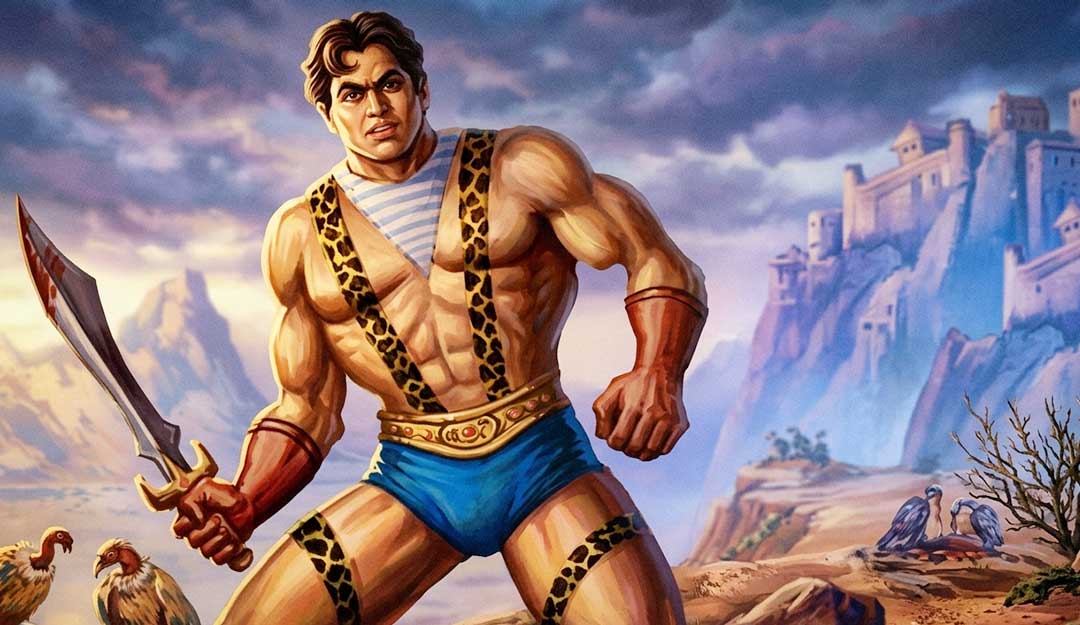
Another precious gem of Manoj Comics’ huge collection is ‘Ajgar Aur Sinharaj’. This review not only opens up the layers of the story, but also sheds light on the art and small nuances of that period. This comic is a living example of the way Indian comics showed their creativity in the ’90s. Written by Tilak and illustrated by Vijay Kadam and Darshana Thingale, this issue takes readers into a magical world, where a wonderful blend of power, magic, and bravery is seen. In this review, we will focus more on the design, art, and technical aspects of the comic than the plot of the story, which makes it collectible even today.
The Golden Age of Indian Comics and the Magical Painting of Studio Kadam

The cover page shows the special style of Studio Kadam, which enthralled readers for decades. The cover shows the battle between the dragon and the terrifying demon with such vividness that the thrill immediately arises. The colors are very bright and effective, giving a distinct shine despite the printing limitations of that time. The tenacity in the muscles and facial expressions of the hero dragon shows the superiority of the art of the victory step. The balance of shadows (shading) and lights (lighting) is such that the characters feel like they are leaving the pages.
The Scary Look of Sinharaj and the Intricacies of the Magical Jug

The main villain of the comic, Sinharaj, is as scary and majestic as the name suggests. Her thick hair, red eyes, and magical jug in her hand make her mysterious. The artists have shown the process of Sinharaj’s transformation into ‘Singh Manav‘ very minutely. The rainbow effect makes readers feel the magical world as he tosses magical water into the air and utters mantras. His clothes, heavy body, and gestures elevate him above the ordinary robber to become a powerful Tantrik.
A Living Depiction of the Ship and Waves, the King of the Sea
The ship ‘King of the Sea’ shown in the opening pages is painstakingly designed. The finer details of the ship’s sails and wooden structure make it gorgeous at sea. The waves are shown in a mixture of dark blue and white colors, which perfectly describe the boom and danger of the sea. The multitude of characters and the different poses in the attacks on the ship show how hard the panel composition has been worked. Every fencing and shield clash is shown from a different angle, making the experience feel absolutely cinematic.
Transformation of the Dragon’s Physical Appearance and Willful Form

The hero Ajgar, who is actually Tripund, has costumes and a body that make him different from other heroes of Manoj Comics. The blue scarf around his neck and snake-like stripes on his body prove his name ‘Ajgar’ to be correct. When he takes a wishful form and becomes half human-half serpent, his transformation is very impressive. The spiral twist of the body and the fine design of the scales show clear hard work. The scene is not only scary, but also a grand display of superhero powers. The anger on the dragon’s face is very closely balanced during peace and war.
Effect of Panel Layout and Sound Words
A major feature of this comic is its panel layout. Often in action scenes, paintings break through the boundaries of pages and come out. Words like ‘Kadak’, ‘Khachak’, ‘Thumm’, ‘Tadak’ do not just create an impact, but make the reader feel the noise of the fight. When the dragon moves its hands and legs like lightning, the ‘speed lines’ the artist has drawn to show speed add a distinct quickness to the scene. Balloons of dialogues (speech bubbles) are also placed so that the main images are not covered and maintain the flow of the story. The balance of action and dialogue on every page has been done professionally.
Magnificence of the Palace and Depiction of Princess Juhi
The bulk of the story takes place in the palace of King Pukpuk Paka. The pillars, carpets, and throne decoration inside the palace show the glorious culture of that time. Indian beauty and tenderness are reflected in Princess Juhi’s portrayal. When she becomes a lion-human under the influence of magic, the change in her face and expressions seems very impressive. A beautiful princess suddenly taking the form of a ferocious lioness is shocking to the reader. This change is felt not only through the painting, but also by the changing mood of colors—where soft colors are replaced by dark and fiery colors.
The Battlefield and the Skeletons of Dead Animals

Finally, when the python takes Sinharaj to a deserted place where dead animals have been thrown, an atmosphere of ‘dark fantasy’ is created. The skeletons lying on the ground, the torn flesh, and the vultures hovering in the sky create a desolate and frightening scene. The skeletons’ texture and the final battle are the climax of this comic. Here it is shown that the hero maintains his power even in a dirty and deserted place. The end of Sinharaj and the vultures swooping over him reflect the harsh form of justice shown in the comics of that time.
Unique Use of Colors and Atmosphere

The mood of colors changes with every scene. Blue and sky colors are prominent in sea views, while gold, pink, and red colors have been used in the palace. The mixture of purple and green in the scene of magic creates a mysterious atmosphere. The play of light and darkness, especially when the dragon wields the sword and its brightness dazzles the eyes of Sinharaj, is very beautifully shown. These nuances make a normal comic a classic.
Fusion of Characters’ Robes and Weapons

The mace of Sinharaj, the double-edged sword of the python, and the spears of soldiers are a beautiful blend of Indian traditional war art and fantasy designs. The design made on the uniform and shield of Commander Garjamand makes him a powerful warrior. The correct use of strokes to show the structure and movement of horses shows that the painters had a deep knowledge of anatomy. The creases of the characters’ clothing and their movements during the battle give a sense of kinetic energy.
Conclusion: The Combination of Art and Imagination
Ultimately, ‘Ajgar Aur Sinharaj’ is not just a battle of heroes and villains, but a document of the hard work and vision of the artists of that time. Every detail—whether mountains in the background or subtle facial expressions of characters—pulls the reader towards itself. Tilak’s writing strengthens the characters, and Vijay Kadam and Darshana Thingale’s brush makes them immortal. Even today, in the age of digital comics, the attractiveness of these hand-drawn artworks has not diminished. This comic reminds us that nuances are the life of the story. If you are fond of comic art, then this issue is a tutorial on artistry for you, where every page teaches something new.
