


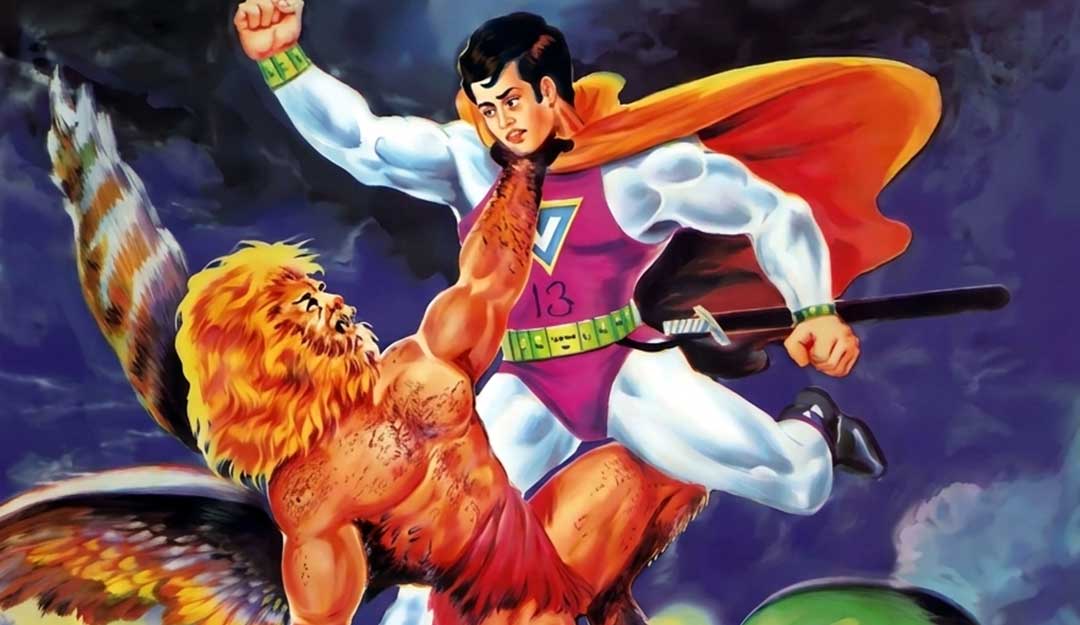
In the world of Indian comics, after the ‘Origin Story’, it is often the turn of the hero’s first big mission. “Super Power Vikrant and the Priest of Kalatantra” is a similar story, where we see Vikrant transform from a new and clumsy boy into a strong and understanding hero. While there were more emotions and betrayal in the first part, this part also shows thrill, magical battles, and a strong display of powers. Writer Badal Sharma and editor Devki Nandan Sharma have taken this issue to a different level.
Plot Expansion: The Journey from Vengeance to Justice

The story begins where the previous part ended. Vikrant is looking for his father’s murderer and treacherous uncle, Kripashankar. Kripashankar is no longer just a criminal but has become the master of magical powers and ‘Mudrak’ (jinn of the ring). He has hidden himself in the dense and scary forests of Assam, away from the noise of Delhi.
Vikrant chases him with the help of his magical ring and learns that Kripashankar is practicing ‘Kalatantra’ in an old and ruined fort in Assam. His greed is no longer limited to money; he now wants to gain ‘invincible power’, for which he is ready to sacrifice any innocent person.
Gayatri Mantra vs Demonic Powers
The war begins when Kripashankar calls a terrible demon named ‘Sherdhara’ with his tantric powers. Here, the strongest side of the story comes out—the power of Vikrant. He does not just use the sword but focuses his energy by reciting the Gayatri Mantra. This scene clearly shows that Vikrant’s real strength lies not in his weapons, but in the purity and truth of his character.
When Devraj Indra Took the Test: Rise of the ‘Divine Hero’

The biggest twist in the story comes when Vikrant falls into a watercourse during the war. There, he encounters a water monster named ‘Jalaku’. But it wasn’t just a fight. In fact, Jalaku was Devraj Indra himself, who was testing Vikrant’s bravery and humanity.
Indra is happy to see Vikrant’s bravery and selflessness and gives him a boon that elevates him above ordinary superheroes and makes him a ‘divine hero’. Now, water, fire, and air cannot cause any harm to Vikrant.
Climax: The End of Sin and the Change of Heart

At the end of the story, Kripashankar is about to sacrifice an innocent farmer when Vikrant reaches there. He not only saves the farmer but also kills ‘Mudrak’, Kripashankar’s most powerful pawn. When Kripashankar tries to escape, readers see another amazing power of Vikrant—he takes the form of a giant elephant and crushes him.
While dying, Kripashankar realizes his mistakes. The beauty of Indian storytelling is visible here too, where even the dying villain is given a chance to redeem himself through regret.
Character and Art Side (Art & Illustrations)
In this issue, Vikrant looks more confident and balanced than before. Now he is no longer just a miserable son but emerges as a protector of religion and justice. His decisions show maturity, and his calm yet strong attitude during the fight establishes him as a true hero.

The art of Chemio Arts (Cameo Arts) has brought the dense forests and tantric atmosphere of Assam to life in a very impressive way. The atmosphere of mystery and fear is clearly felt in every panel. The use of yellow and white light—especially when Indra appears or energy comes out of Vikrant’s sword—makes the scenes even more magical. With this, the story is not limited to just reading, but the reader also feels it.
Badal Sharma’s dialogues also have a lot of power. Dialogues like, “I am your death, Kripashankar! I will not leave you alive even in the underworld,” fill the story with enthusiasm and further strengthen Vikrant’s character. Such dialogues make comics memorable.
Critical Comment: A Classic Experience

“Super Power Vikrant and Kalatantra Ka Pujari” is a brilliant blend of action and emotion. The story has a constant thrill, and the reader stays connected until the end. However, some readers may feel that a powerful character like Printer ended a little early, but the fast pace of the story doesn’t let this shortcoming affect the overall experience much.
This comic also shows that an Indian superhero does not become great just because of costumes or powers, but creates a distinct identity through values, cultural roots, and spiritual strength. This is what makes Vikrant different from other superheroes.
Conclusion
If you want to see the best combination of Indian culture and mythological elements with adventure, then this issue must be in your collection. Vikrant’s vow that he will always protect humanity excites readers for even bigger and more thrilling adventures to come.
