


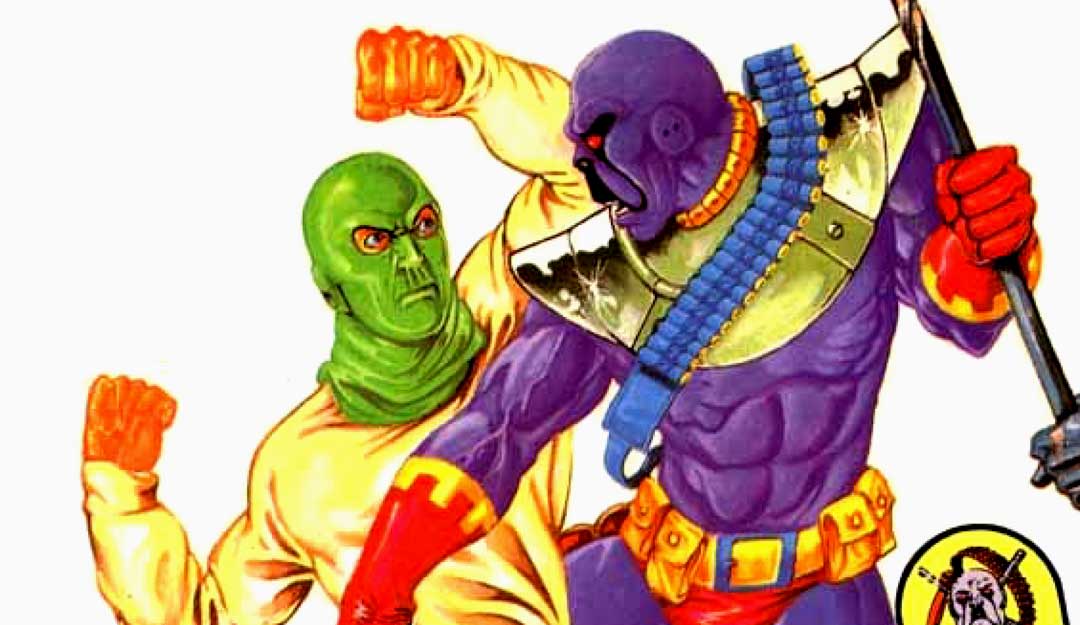
‘Tiranga’ As the name suggests, this comic is the story of honoring the national flag of India and a vigorous fight against the traitors of the country. In this, Doga—who is considered the protector of Mumbai and the deathbed for criminals—meets a former police officer who was broken by the system, but whose patriotism makes him stand again.
This review is of the ‘Tiranga’ comic published by Raj Comics, which shows the patriotic and revenge-driven story of a great warrior like Doga and Nana Patekar (a fictional character whose name is inspired by the famous actor). This comic is not just an action thriller, but also a deep exploration of the system, corruption, and the self-esteem of a true soldier.
Summary of the story: From police uniform to shroud of martyrdom

The story begins with the celebration of Police Day being held in the old building of the Police Headquarters. Here, Inspector Nana Patekar, who is shown as an honest and brave officer, takes the oath of the tricolor. He says that the tricolor is not just a piece of cloth, but the identity of the country’s independence, strength, and development.
But the real twist in the story comes when Thakur Dada, a powerful criminal of society, spoils the sacred ceremony through his goons. His goons insult an innocent girl and break decorum during the national anthem. Nana Patekar, who is firm on his principles, intervenes and opens fire in self-defense.
Ironically, the system that Nana swore to protect turns against him. Corrupt officials in high positions—like S.P. Kothari and Patel—under pressure from Thakur Dada, frame Nana as a criminal. Nana is arrested and severely tortured in jail. It is from here that Nana’s transformation into ‘Tiranga’ begins. In jail, he finds out that Thakur Dada has murdered his entire family. This truth shakes Nana to the core, and he decides to go beyond the limits of the law to deliver justice.

On the other hand, Doga is eliminating criminals in his own style. He is engaged in investigating Thakur Dada’s black empire and the dangerous weapons he is manufacturing, such as chakras and machine guns. Eventually, Nana and Doga’s paths converge. Nana names himself ‘Tiranga’ by adopting the three colors of the tricolor—kesariya, white, and green—in his attire.
The climax of the story reaches the scene at the temple, followed by a high-speed car chase. In the end, Nana, without caring for his own life, kills Thakur Dada and attains martyrdom while protecting the honor and glory of the tricolor.
Character analysis: heroes and villains

Nana (Tiranga): The biggest strength of this comic is the character of Nana. He is a true tragic hero. His patriotism is not blind, but rooted in complete honesty toward his duty. When he realizes that he is unable to deliver justice while wearing the uniform, he chooses the path of justice by becoming Tiranga. His ending is extremely emotional, as he breathes his last while saving the tricolor from falling.
Doga:
Here, Doga plays a supporting protagonist, but his presence makes the story stronger. He gives full respect to Nana’s spirit and sacrifice. Doga’s action, his cunning nature, and use of technology—like gas detectors and stealth attacks—add thrill to the comic.

Thakur Dada:
He is like the classic villain of the 90s—powerful, corrupt, and extremely cruel. He keeps the law in his pocket and commands the full force of modern weapons. Ultimately, his pride becomes the reason for his downfall.
Inspector Geeta and other policemen:
These characters show two faces of the system—on one side is Inspector Geeta, who wants to uncover the truth, and on the other side are those police officers who have become slaves to power and money.
Art and portraiture

The depiction of ‘Tiranga’ follows the signature style identified with Raj Comics, where emotions are portrayed very effectively. The action in the fights between Doga and the goons feels completely lively, especially when sound words like ‘dhadak’ and ‘khanak’ are used, which further increase the impact of the fight scenes. According to the title, the colors of the tricolor have been used brilliantly throughout the comic. Nana’s ‘tricolor’ look and the final scene are extremely impressive and artistic to behold. At the same time, Nana Patekar’s facial expressions clearly reflect the mental struggle and pain going on inside him.
Dialogue and Writing

The writing of Sanjay Gupta and Tarun Kumar Wahi is very effective. There is a clear glimpse of bravery and patriotism in the dialogues. Nana’s dialogue like—
“Even the last drop of my blood will leave my body only after destroying the enemy of my country”—
fills the readers with enthusiasm. The pace of the story is fast, and there is no slowness anywhere. New adventures and secrets are revealed on every page, which keeps the reader’s interest alive.
Social and moral messages

This comic is not limited to entertainment alone, but also raises many serious questions.
Is the law right in every case?
When the protectors become the predators, where should the common man go for justice?
What is the real meaning of patriotism?
Nana’s sacrifice teaches that the nation and its symbols are greater than any individual. A scene where Nana holds the tricolor pole despite being shot delivers a deep message of supreme dedication and sacrifice toward the nation.
Main points of the review: Why read?
The story emotionally connects the reader to Nana’s grief and anger. It offers tremendous fight sequences for Doga fans. Reading it around January 26 or August 15 creates a different sense of patriotism. For old comic lovers, the story is filled with nostalgia, reviving golden memories.
Conclusion: An immortal saga
Raj Comics’ ‘Tiranga’ is a story that does not grow old with time. It is a powerful war cry against corruption. Even though Nana’s ending is tragic, he becomes a martyr like a true conqueror. The salute given to him by Doga ultimately feels like a salute given by every reader.
If you are fond of Indian comics and are looking for a story that carries deep emotions and patriotic feelings along with tremendous action, then ‘Tiranga’ must be in your collection. This comic reminds us that freedom and dignity always come at the cost of sacrifice.
Final rating: 4.5/5
