


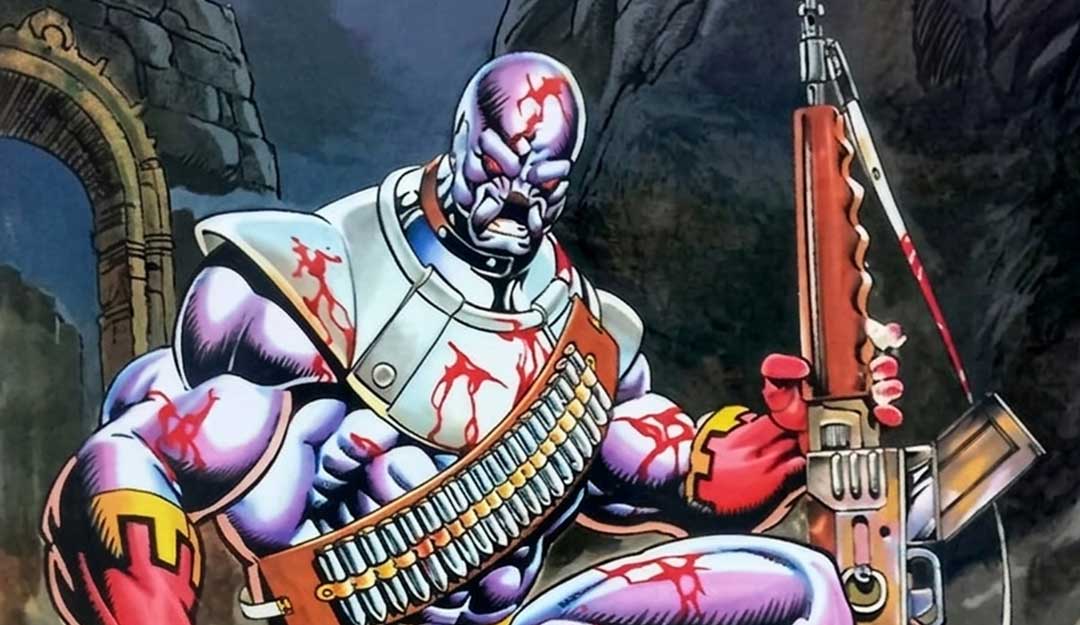
In the vast and exciting universe of Raj Comics, ‘Doga’ is a character who completely changed the traditional definition of a superhero. While other heroes relied on their superpowers or magical weapons, Doga became a reader favorite due to his physical strength, modern weapons, and his hard-line approach to ‘rooting out the problem’. In the category of Raj Comics special issues, ‘Bhool Gaya Doga’ is a milestone which presents a very effective story of the hero’s bravery as well as his mental and emotional struggle. This comic, adorned with the writing of Tarun Kumar Wahi and the brilliant portrayal by Manu, takes us to a point where the protector of Mumbai loses his identity. This review will try to understand every aspect of this historical issue in depth and explain why it is still counted among the best issues of Raj Comics.
A Deep Humanitarian Crisis of Lost Identity in the Past Mist
The story begins with a very interesting and stately scene, where the glitter of diamonds and human greed are shown. The craze for diamonds often makes a person blind, and this forms the foundation of this story. The story takes a serious turn when Doga, who has eliminated crime in the dark streets of Mumbai, faces a powerful enemy, ‘Short Circuit’. This villain is not an ordinary criminal, but uses a dangerous mix of science and technology.

During the battle, Short Circuit uses a special machine that short-circuits the memory cells of Doga’s mind. This is the moment from which Doga’s heroism is put in danger. He not only loses the battle but also forgets who he is. Whether his name is Suraj or Doga, what his destination is, and what the motive behind the weapons he carries is — all this disappears from his mind. The warrior who was a symbol of fear for the whole world now starts getting scared of his own shadow. This crisis of identity turns the story into a psychological drama, taking it beyond just an action thriller.
Red Button and Short Circuit: A Modern and Technological Face of Crime
The villains of this comic, Doctor Avatar Gill aka ‘Red Button’ and his companion ‘Short Circuit’, show a new phase of crime. Often, villains in comics are only physically strong, but here Doctor Avatar Gill is a brilliant scientist who has used his intelligence to smuggle diamonds and commit crimes. His ‘short circuit’ weapon proves enough to bring down a powerful hero like Doga. The character of Red Button is shown to be extremely clever and calculated. He knows that it is not easy to defeat a defender like Doga with force, so he attacks his mind directly.

This cleverness of the villain keeps the tension constant in the story. The question remains in the minds of readers whether Doga will be able to regain his memory or whether Red Button will succeed in his plan. The way theft is planned by dodging the security of diamond exhibitions and museums creates the thrill of a big ‘heist’ film.
The Loyalty of the Voiceless and the Thrill of the Hunter’s Return
The character of Doga has always been known for his special affection for dogs. Dogs have also played a big role in his origin (Origin Story). This aspect comes out very beautifully in ‘Bhool Gaya Doga’. When Doga is wandering the streets after losing his memory and is called ‘Suraj’, he is completely confused. He starts considering himself a ‘dog child’ because people use such words to insult him.

But during this time, a pack of stray dogs from Mumbai recognizes him. For them, Doga is not a masked superhero, but their protector and their ‘alpha’. The dogs’ loyalty and Doga’s wordless association with them is heart-warming. When Doga is in trouble and feels weak, these same voiceless animals come to him. This part reminds us that even if humans forget Doga or consider him a criminal, nature and the animals he always fought for never forget him. It is from here that the sleeping hunter within Doga slowly begins to wake up.
Portrait of Manu: A Living Depiction of the Dark Streets and Emotions of Mumbai
Manu’s artwork is the life of this comic. His illustrations have a certain kind of darkness and realism that fits perfectly into Doga’s stories. The depiction of the streets, gutter lids, and dark alleys of Mumbai that he has done takes readers directly into that environment. Doga’s body structure, the tension in his muscles, and the pain and confusion visible on his face — all these have been engraved very closely by Manu.

Especially the scene where Doga is shocked by a short circuit and the movement within his mind is visually shown was very advanced artistry for that time. The speed and energy that appear in the fight scenes do not allow the reader to take their focus off for a moment. Manu’s illustrations have given that seriousness and impact to the story of Tarun Kumar Wahi, due to which this story is no longer just a comic but becomes a cinematic experience.
Screenplay by Tarun Kumar Wahi: A Balanced Combination of Suspense and Emotions
Writer Tarun Kumar Wahi is counted among the best storytellers of Raj Comics, and this comic is a great example of his skills. He has kept the pace of the story very balanced. On one side, the machinations of Red Button proceed, while on the other side, the internal conflict of Doga is also shown in detail. The story also features several small characters, such as the child who tries to help Doga, who add human sensibilities to the story.

Doga asking himself the question — “Who am I? Am I really a dog?” — connects the reader to the hero’s weakest and most sensitive moment. It is extremely interesting to see how a great warrior struggles for his identity. Wahi keeps the dialogues simple but effective, perfectly in tune with Doga’s stern personality. The climax of the story, where Doga regains his memory, is written in a highly dramatic and exciting way. The ‘short circuit’ attacking Doga’s mind again and the nostalgia coming back like lightning proves to be a true masterstroke.
Philosophy of Justice and Insistence on Attacking the Root of the Problem
Doga’s entire existence rests on the idea of “don’t solve the problem, root it out.” When Doga loses his memory in this comic, his perspective is also lost somewhere. He panics at the sight of criminals and tries to run away from them. But as his memory returns, readers see the same old tough and just Doga again. His way of judging does not get entangled in the intricacies of the law. The ending that Doga puts on Red Button and his gang gives readers a different level of satisfaction.

Doga’s character makes us understand that justice is not just in the books of rules, but in the courage that does not shy away from punishing criminals. ‘Forgotten Doga’ also reminds us that a hero’s true strength lies more in his principles and his memories than in his body. The form of Doga that emerges after regaining his identity appears more dangerous and unshakable than before.
The Confluence of Mumbai’s Urban Environment and the Dark Night
Doga is often called the ‘Protector of Mumbai’, and this comic shows the dark underworld of that city very effectively. Just as the city itself comes across as a character in film noir, the streets of Mumbai here deepen Doga’s loneliness and confusion. Small gutters and dark corners hidden among skyscrapers become dens of crime. The difference between Red Button’s modern lab and the museum’s security arrangements shows two different faces of the city. Doga tries to balance justice between these differences.

The ‘Green Page’ (Green Page-66) given in this comic is also very important. In this, editor Manish Gupta and writer Tarun Kumar Wahi have shared the development of Doga’s character and their love for the readers. This page explains with what emotion and hard work Doga was created. It also shows the strong relationship between readers and publishers that made Doga a brand.
Final Conclusion and Evaluation of a Classic Mahagatha
‘Forgotten Doga’ is not just a comic, but an experience that brings us to the hero’s fears and the glory of his return. This issue proves why Doga is included in Raj Comics’ ‘Big Three’ (Nagaraj, Dhruv, Doga). Story robustness, the modern look of the villain, the emotional aspect of dog loyalty, and the timeless artwork of Manu — all these elements combine to make it a masterpiece.

This issue teaches us that a person can forget his identity, he can break down in difficulties, but if his intentions are strong, the whole world and his most loyal companions (dogs) help him stand again. If you are a fan of Doga, this issue should be the most precious part of your collection. And if you are new to the world of Doga, then this story is enough to explain to you why this Mumbai protector is different from the rest.
Doga’s justice may be harsh, but he is never wrong. When he wears his mask again after regaining his memory, readers feel the same passion with him. This issue is such an immortal story of greed, misuse of science, and search for identity which will hold its place in the hearts of comic lovers for a long time. ‘Bhool Gaya Doga’ is a story of victory that emerges from the deepest darkness of defeat.
This assures us that no matter how big the problem is, Doga will definitely come back to root it out. This presentation of Raj Comics still looks as fresh and exciting as it was when it was first published. This is that precious diamond of Indian comics whose shine will never diminish.
