


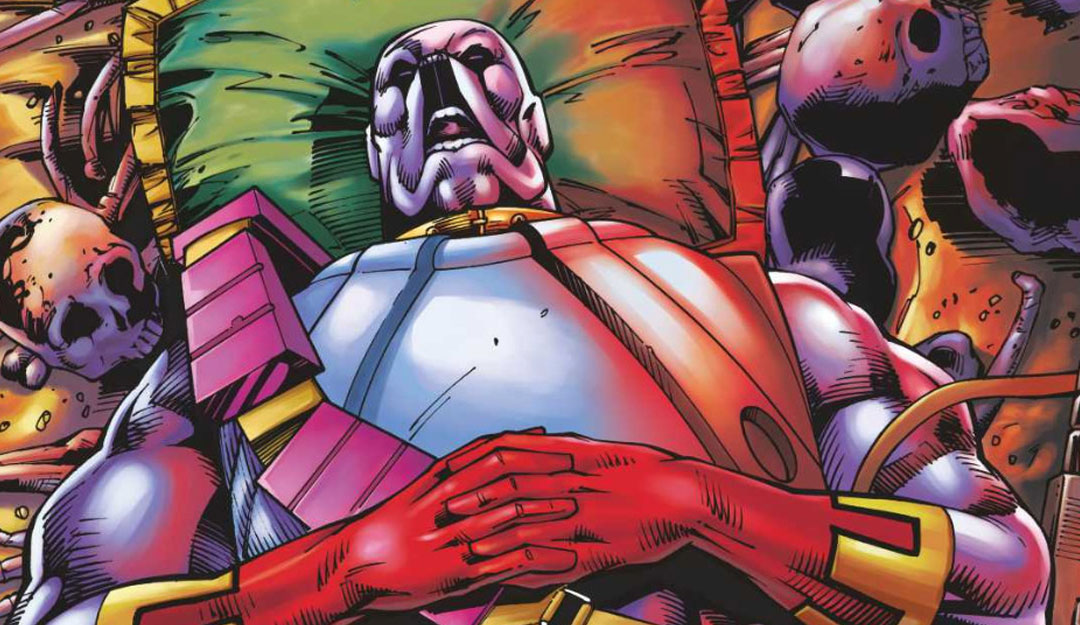
The ‘Born in Blood’ series is considered a milestone in the history of Raj Comics, making Doga a psychological journey looking inside a deep and broken human being, not just a ‘vigilante’. This was the time when the character of Doga was being given new layers—raw pain, old anger, and fear of a broken childhood were all slowly coming to the fore. After “Nikal Pada Doga” and “Bhookha Doga“, the end of this trilogy is completed with “So Ja Doga”.
The title “So Ja Doga” is a strange contradiction in itself and also a dua. Doga, who is Mumbai’s crime scene’s ‘waking nightmare’… can he ever really sleep peacefully? Will the flames of revenge in his eyes and the screams of innocent people allow him to sleep? This comic seeks answers to the same questions. It’s not just a story of chasing a criminal—it’s a story of that tug-of-war going on inside Suraj (Doga), where he’s both human and a hard machine… and is trapped between the two.
The wounds of the past and the justice of the present
The story goes together on two paths—a past (flashback) and a present world.
Flashback: Birth of the Protector
The opening pages are very sentimental. We see the little Suraj (Doga’s childhood), who almost dies fighting a cruel man like ‘Baisakhi Dada’. He feels it is difficult to escape now. He is lying on the railway track and death is moving towards him like a fast-approaching train. But here the story takes a beautiful turn—Doga’s true companions, dogs, save his life. Mamta (the dog) and the rest of the dogs protect him by removing him from the track.

The scenes immediately after this fill the gap of ‘mom’ in Suraj’s life. Some goons in a train are misbehaving with a girl (nurse). Despite being injured, Suraj does not break from within, the ‘Doga’ within him awakens. He pounces on those goons. The nurse rescues him, treats him, and puts him to sleep in her arms. This part explains that Doga is not just a human being full of violence… he is also hungry for love, support, and affection. Becoming a protector started from here—pain, fear, and a little love showed him that path.
Present: Pile of bones and misunderstanding
The present story begins where “Hunkha Doga” ended. Doga is digging in R.K. Thakkar’s Kothi (Kothi No. 13). The sight that comes is enough to freeze anyone’s blood—there is a pile of human skulls and bones lying there. Remains of a total of 26 missing children!
The mob is mad with anger and wants to kill Thakkar there. But here the story takes a turn—Doga saves him. This moment is shocking, because Doga usually becomes the ‘judge, jury, and executor’ of criminals himself. Then why is he saving Thakkar?

Doga realizes that Thakkar is a timid type of man, who was hiding in the basement of his own house due to fear of income tax. He cannot be a murderer. This decision of Doga shows that he does not just move in anger—he understands, thinks, and then takes action. He is looking for the real culprit and has not come to punish any innocent person.
Investigation and recourse to science
Doga analyzes the case with his fellow Cheetah in his high-tech lab ‘Dogalicious Wing’. Here the story creates an atmosphere of a complete spy thriller. With the help of Miss Kiran (who is a psychologist) they do ‘profiling’. Investigation reveals that all the missing children were achievers—some were at the forefront of sports, some were in studies. That means the killer was following a particular pattern.
Doga ‘narco-tests’ Thakkar, and it makes it clear that Thakkar is just a running and deceitful businessman, but not a murderer. The real murderer is someone else, who used Thakkar’s house only for his disgusting activities.
Real killer: Greed
Linking the investigation, Doga’s G.P. takes him to ‘Greed’. Greed is a human being who looks decent on the outside, but is a psychopath with a very sick mind on the inside. By the time Doga reaches him, Greed has already faked his death.

But neither Doga’s ‘dog army’ is stupid, nor Doga himself. The evidence and his sharp understanding do not allow him to be deceived. The motive of Greed was very dirty and mind-blowing—he hated those children who were skilled and successful because his own children were worthless and spoiled. To vent his frustration, he killed the promising children of the country.
The arrival and climax of the Fox
In the climax, Doga comes face to face with Greed. Greed transforms himself into a kind of demon by injecting a dangerous chemical. The action that follows is very overwhelming, violent, and full of thrill. Doga gets help from the Fox (his partner and girlfriend-like character) in this fight. The Fox not only saves his life but reminds him that he is not alone in this fight.
In the end, Doga gives Greed his real punishment. He does not hand him over to the police—he eliminates him, so that no more children will become victims of his illness in the future.
Character analysis
DOGA (Suraj):
The character of Doga is at its peak in this comic. He is ‘sleep-deprived’, i.e., completely deprived of sleep. The redness and fatigue of his eyes clearly show that he will not be able to sleep until he gets justice. This dialogue of his—“The sun burns and gives light to others, this is the destiny of the sun”—shows his sacrifice and dedication.

He saves Thakkar from the mob, which shows that Doga is not a lawless person, but a human with a strong moral code.
Greed (villain):
Greed is one of the most disgusting villains of Indian comics. His motive is so deep and scary that it gives goosebumps. Usually, villains kill for money or power, but Greed used to kill children out of ‘jealousy’. Just because his own children weren’t capable—a very dark, but reality-related psychological profile.
Fox:
The role of Fox, although small, means a lot. She is like Doga’s shadow. When Doga starts to break, Fox handles him. One moment in this comic is very memorable, where Fox ‘kisses’ Doga—it is a very rare and beautiful moment of softness in the harsh world of Doga. Saying “So Ja Doga”, she gives him peace of mind.
Supporting characters (Ginger Uncle, Cheetah, Monica):
Ginger Uncle is like a father to Doga, a moral guide. Cheetah has her technical brain. Monica, Suraj’s girlfriend, is the simple life that Suraj never lived. Monica’s pain—that Suraj never sleeps—touches readers deep inside.
Topics and social messages
“So Ja Doga” is not just an action comic, but it shows in depth how the pressure of parenting and unrealistic expectations can gradually demonize a human being— as happened in the case of Greed. His jealousy and inferiority complex blind him so much that he starts hating the promising children of others.
At the same time, the comic questions the dangerous thinking of mob justice. Doga’s intervention here shows that real justice is always based on evidence, mind, and process, not on the wrong decisions of an angry mob.
The story also deals with a sensitive subject like juvenile delinquency in a very heart-touching manner, instantly evoking empathy in the heart of the reader. At the same time, Doga’s insomnia is a sign of his mental breakdown and loneliness— it shows how heavy a price being a protector brings. Overall, this story offers a strong commentary on the many complex moral and social problems of our cities and society.
Drawing and Art

Studio Image’s artwork, especially in ‘Born in Blood’, shifts away from the bright colors of Raj Comics to embrace a darker and ‘noir’ style, further adding to the story’s seriousness and suspense. Sunil Pandey uses dark colors—black and blue— very effectively, whereas using sepia tones in flashback scenes is a great way to show different layers of time.
The artists add to the horror of the story by drawing a scary and detailed depiction of the bones in the basement. At the same time, in the final battle of Greed and Doga, their expressions, body language, and movements look so lively that the reader feels himself in the same scene. Doga’s fatigue, his full eyes, and anger— are all clearly visible in the artwork.
Because of this, the artwork further elevates the emotional and mental stress of the story.
Dialogues and Writing
The pair of Sanjay Gupta and Tarun Kumar Wahi have written a script that holds tight. The dialogues are a bit filmy and heavy but fit perfectly into Doga’s character— because Doga’s world is such where everything is sharp and effective.

Memorable dialogues:
“Doga is not in need of evidence!”
“Today we will tear it and it will come out only from your throat! No child’s body will be cut today! Today only your body will be cut off!”
“The destiny of the sun is to burn itself and give light to others!”
This last dialogue creates a very beautiful metaphor between Suraj (Doga’s real name) and his work.
The authors maintain the suspense until the last page. Thakkar’s innocence and Greed being the real villain is a great ‘plot twist’.
Critical analysis

Positive side (Pros):
The real strength of “So Ja Doga” is its emotional depth. It shows Doga not as a machine, but as a human being who needs sleep, love, and support. Because of this, the reader is able to feel his pain and burden.
The story also gives a satisfying ending to the ‘Born in Blood’ trilogy, where all the open ends are combined in a logical way.
The story has real and practical elements like police procedure, forensic investigation, narco test, which greatly increase its credibility. That’s what makes it a serious and strong crime thriller, elevating it above a typical superhero story.
Downside (Cons):
This comic is not for weak-hearted readers. There is a lot of violence and bloodshed in it, which can make some people upset or uncomfortable. Furthermore, the sudden rise of Greed to demon-like power by injection of a drug in the end seems a little too ‘filmy’ and reduces its credibility. If he had been outsmarted like a cunning, minded criminal, perhaps the climax would have felt even stronger and more effective.
Conclusion
“So Ja Doga” is a true masterpiece. This comic proves that Indian superhero stories are in no way less than stories like Batman or Punisher from the West. This story is like a dark, painful journey, in which a slight ray of hope is visible at the end.
When the last page shows Doga (Suraj) sleeping peacefully on his bed after several days, the reader also feels a sense of peace from inside. It seems that not only does Doga’s fatigue go away, but the fear of Mumbai— which had spread all around due to the disappearance of children— also goes away. The Fox putting him to sleep is a sign that every warrior needs rest, and even the deepest wounds can be healed by love and affection.
Rating: 4.5/5
Recommendation:
If you like Doga or read his stories, this comic is exactly “mandatory” (Must Read) for you. And if you haven’t read the ‘Born in Blood’ series yet, you’re missing a great, powerful crime-thriller experience.
Read it in the correct order as necessary:
Nikal Pada Doga → Hunkha Doga → So Ja Doga
So that you can enjoy this entire great story to the fullest.
This comic doesn’t just entertain— it shakes you, makes you think: who are the real ‘monsters’ in our society? Those who live in high places, or those who live in gutters?
Doga’s answer is very clear— the monster is the one who kills humanity. And Doga has been created only to eliminate such demons.
